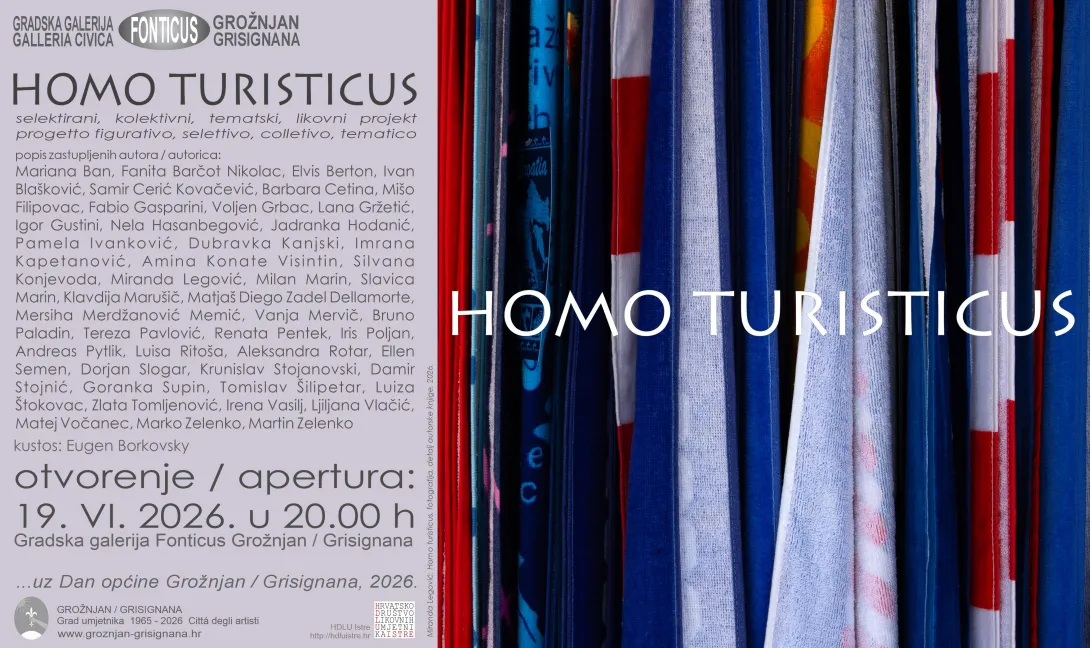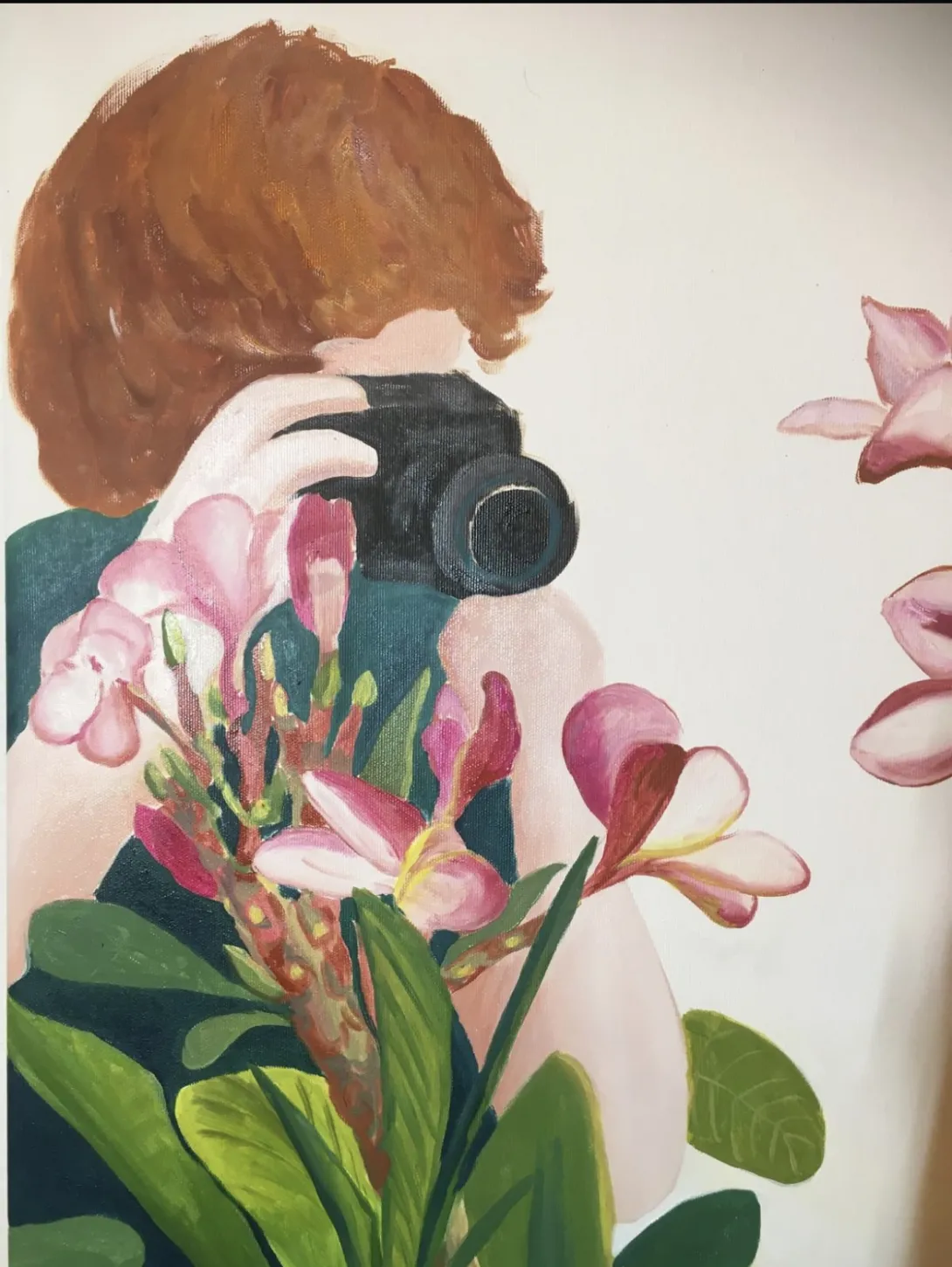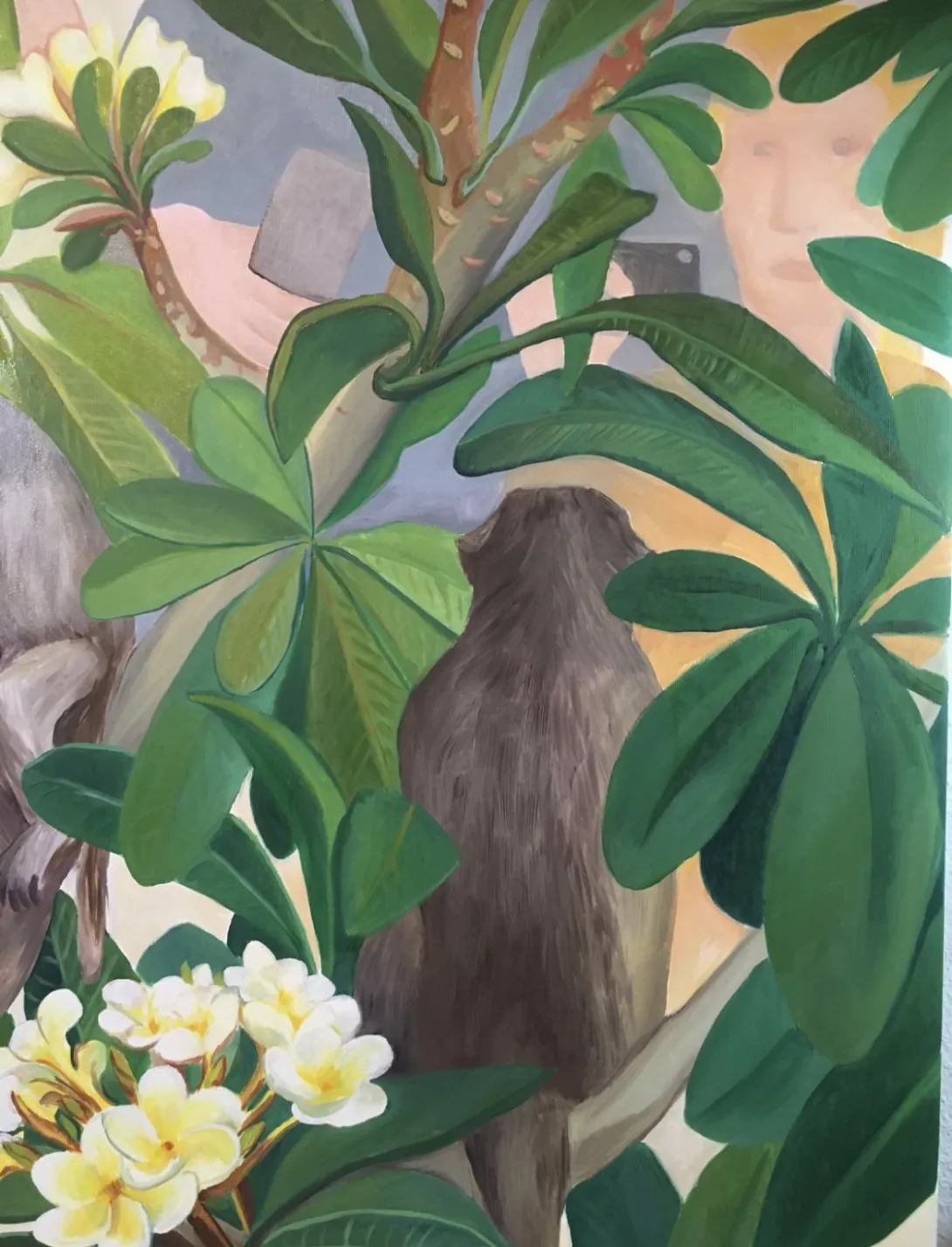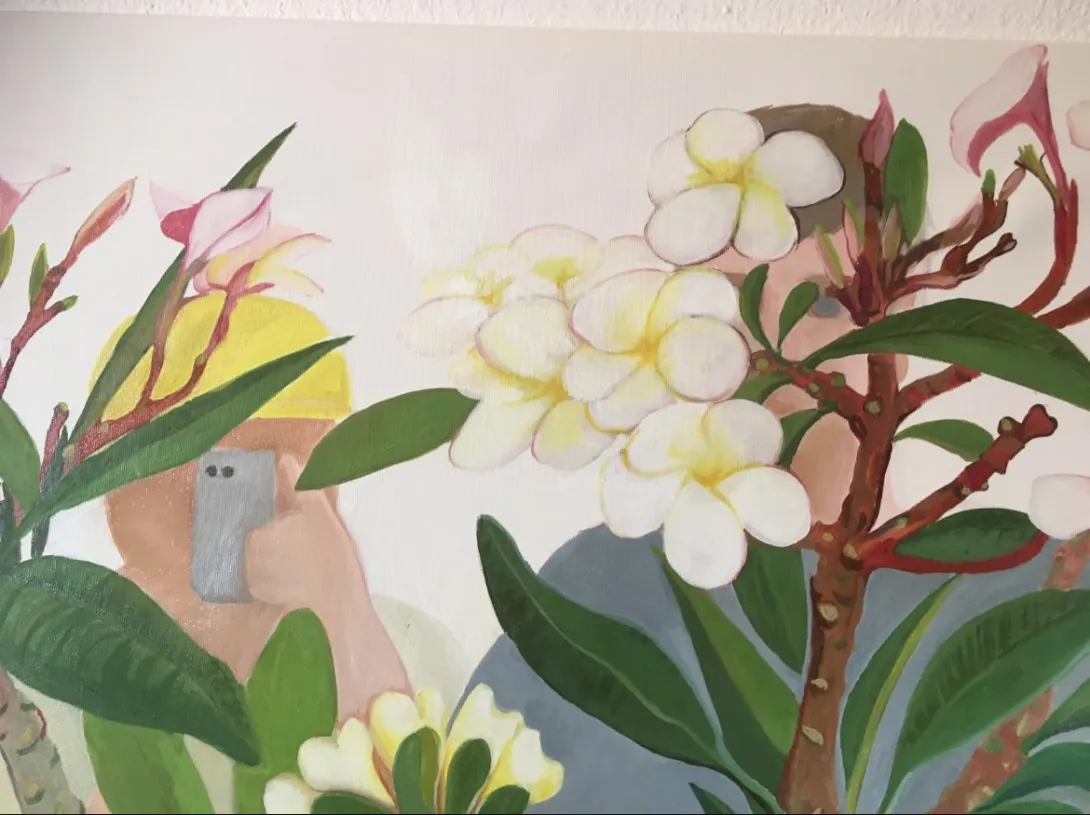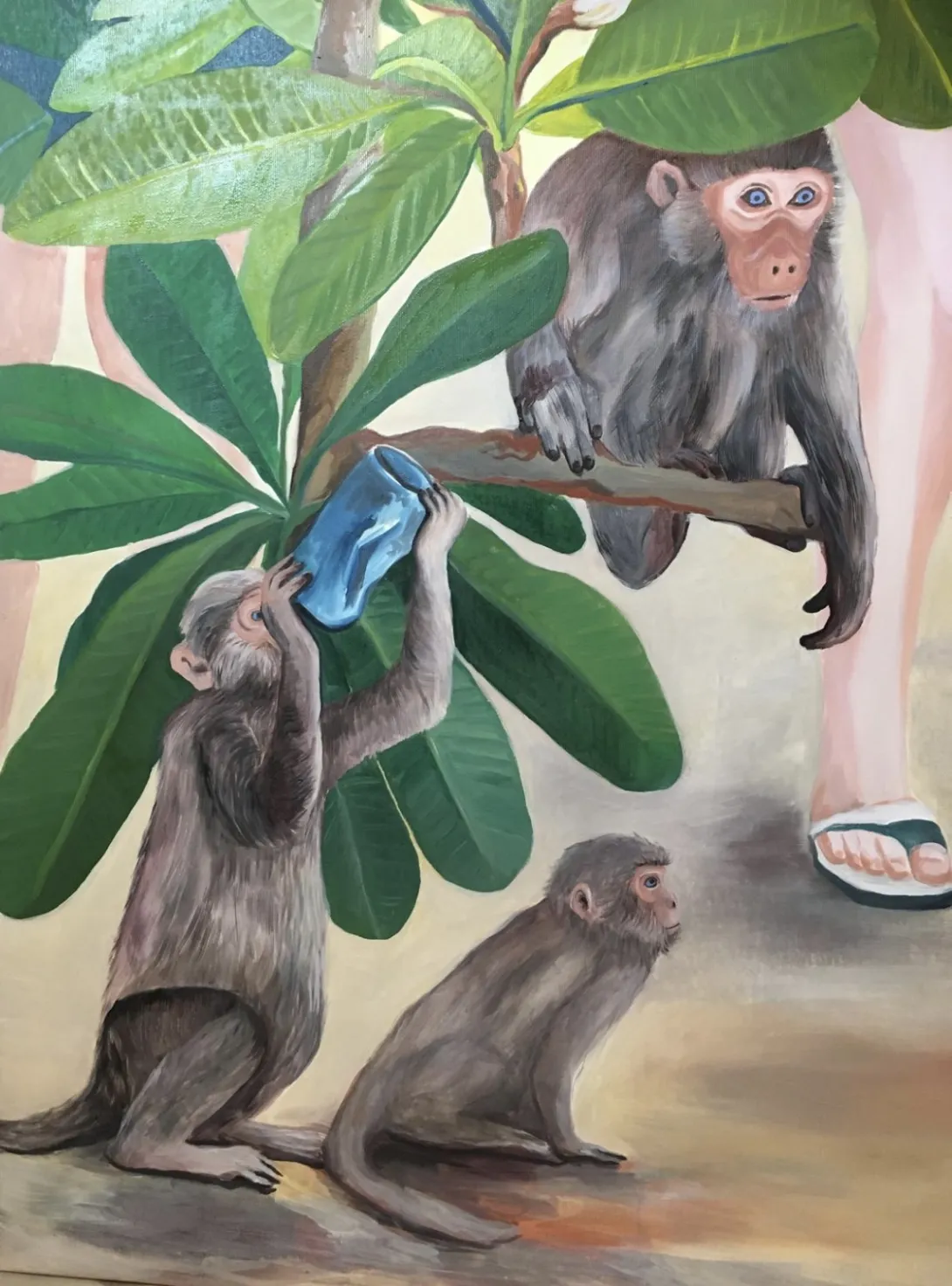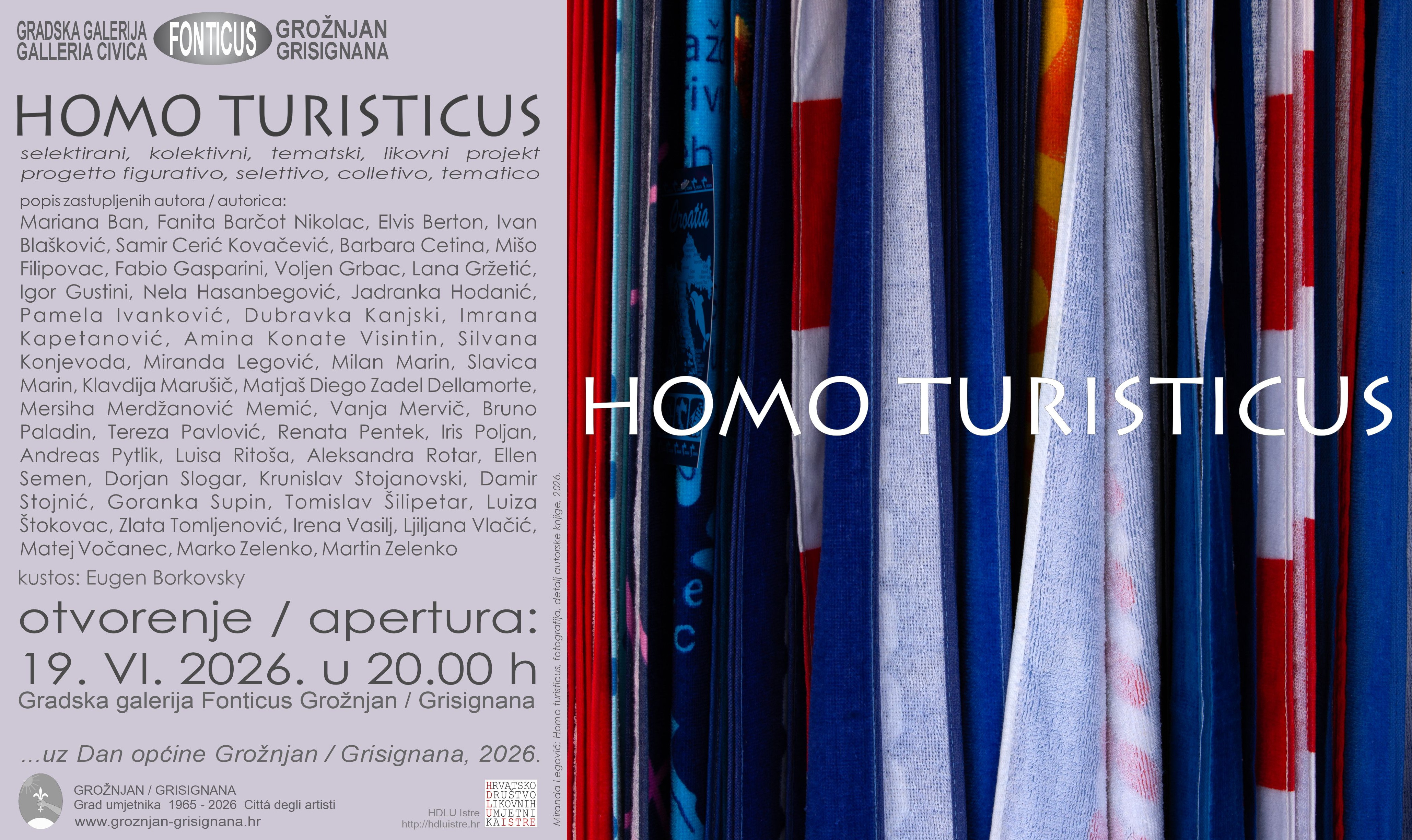
The Fonticus City Gallery in Grožnjan / Grisignana presents, June 19, 2026. at 8:00 p.m.
HOMO TURISTICUS
a curated, collective, thematic, visual art project / a figurative, curated, collective, thematic project
artists participating in the project:
Mariana Ban, Fanita Barčot Nikolac, Elvis Berton, Ivan Blašković, Samir Cerić Kovačević, Barbara Cetina, Mišo Filipovac, Fabio Gasparini, Voljen Grbac, Lana Gržetić, Igor Gustini, Nela Hasanbegović, Jadranka Hodanić, Pamela Ivanković, Dubravka Kanjski, Imrana Kapetanović, Amina Konate Visintin, Silvana Konjevoda, Miranda Legović, Milan Marin, Slavica Marin, Klavdija Marušič, Matjaš Diego Zadel Dellamorte, Mersiha Merdžanović Memić, Vanja Mervič, Bruno Paladin, Tereza Pavlović, Renata Pentek, Iris Poljan, Andreas Pytlik, Luisa Ritoša, Aleksandra Rotar, Ellen Semen, Dorjan Slogar, Krunislav Stojanovski, Damir Stojnić, Goranka Supin, Tomislav Šilipetar, Luiza Štokovac, Zlata Tomljenović, Irena Vasilj, Ljiljana Vlačić, Matej Vočanec, Marko Zelenko, Martin Zelenko
Curator: Eugen Borkovsky
Opening: June 19, 2026. at 8:00 p.m.
Fonticus City Gallery, Grožnjan / Grisignana
On the occasion of Grožnjan / Grisignana Municipality Day
Call for participation in the selection process for a collective, problem-based, thematic, and visual arts project
Theme: TOURISM (Humanus Touristicus)
Indifference is the paralysis of the soul, a premature death. (A. P. Chekhov)
Over the past few years, the art department projects have addressed various themes. The results were rooted in recent historical times and, while connecting to the given concept, reflected the authors’ perspectives. It is evident that many of the artists explore the idea of freedom of thought subordinated to the need for creation. The discovery of objects, signs, and experiences—and the transformation of their fixed meanings—enables a playful engagement. Such an approach confirms that, in the world of contemporary art, the authenticity of an artifact no longer depends on standard techniques.
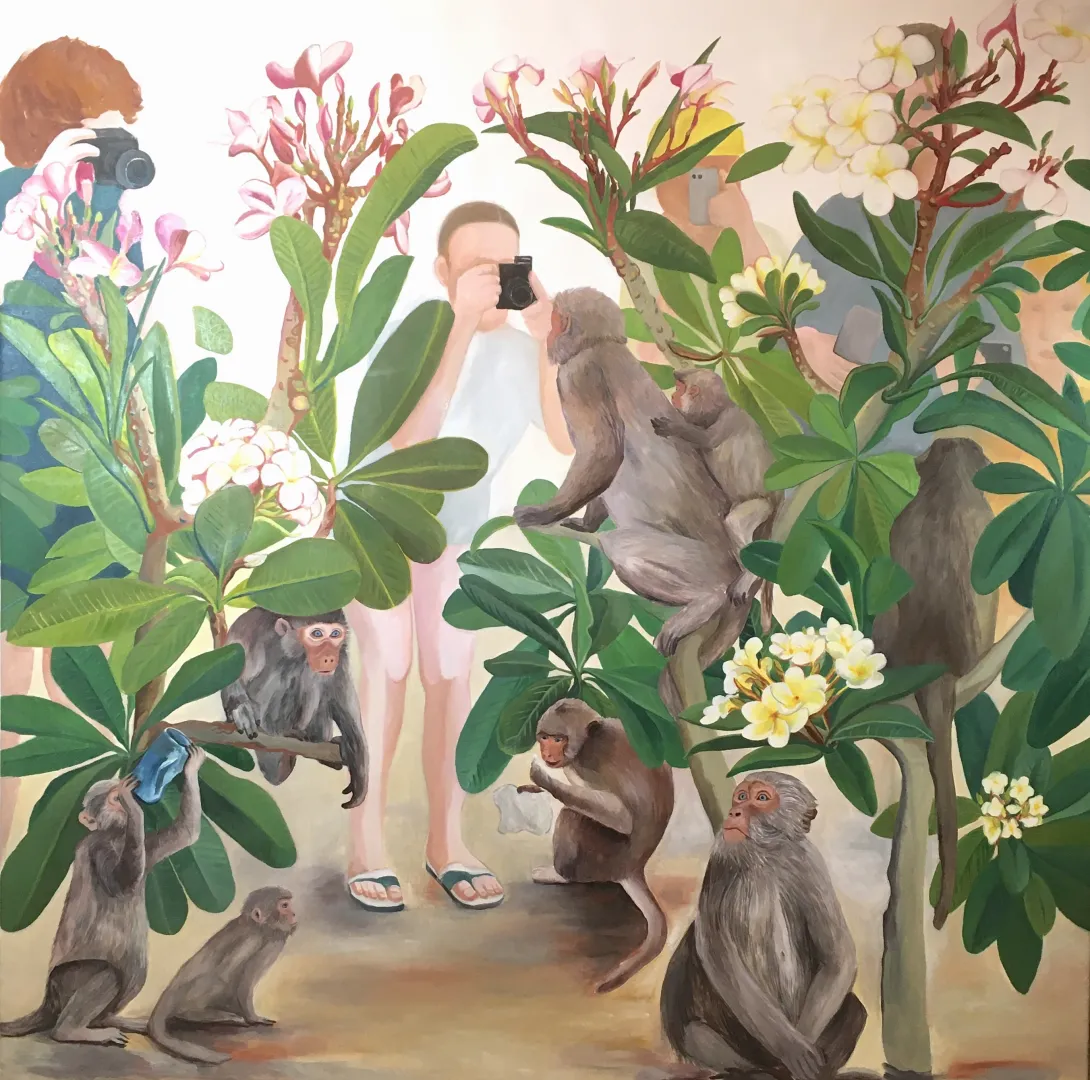
This project should address the concept/phenomenon of TOURISM through visual problematization. The concept of (tourist) travel can trigger and signify a variety of different responses in memory, depending on the person asking the question and the person being asked. Travel usually involves a longer or shorter duration, preceded by preparations and followed by new situations. A modern variant can be virtual, cyber, or travel through websites. According to a literal interpretation, the concept of “tourism” implies the physical movement of a person to another location for the purpose of rest, exploration, or a deliberate change of location for a certain period of time. We all have experience with travel.
Unlike tourism, this specific experience involves travel without a guaranteed return ticket. Migration—with or without assimilation, temporary or long-term—opens up a realm in which travel is the central theme. In this situation, upon arrival at the destination, the feeling of travel disappears, and a sense of adapting to daily life takes over—one that is significantly different from the experience of having secure lodging and a guaranteed return. This is no longer tourism, but authors may choose to examine it critically.
I know people who, when you mention a tourist trip to them, wave their hand dismissively, commenting that it’s a pointless hassle for them. I admit, I’ve never understood them. As a travel enthusiast who travels joyfully, I experience travel with a sense of anticipation for new discoveries, encounters, and landscapes. Even just the experience of riding a bus or train, or taking off in an airplane—and having breakfast at home while dinner is thousands of kilometers away—is extraordinary. A long train journey—which is more comfortable than a bus ride—offers a different kind of experience. Spending several hours on a train, for example on the Ljubljana–Vienna–Warsaw route, and gazing at the surroundings through the window brings a unique sense of calm after the initial excitement. After a certain amount of time, we can no longer read, nor can we visually make out details, but we surrender to the rhythm of the train and the view through the window: the landscape passing by us...
I anticipate that several groups of works will emerge within the project. In one, the authors will likely directly address the concept of physical, tourist travel with all the consequences it entails, both for the body and the spirit. Another group could explore travel through a personal perspective or experience. This group of authors examines an intimate understanding of change that may be linked to changes in the environment. A third group could explore the idea of tourism through discourse and the host’s perspective: on the phenomenon itself and/or on the diverse, often controversial consequences it may entail.
Artists are expected to embrace sincere, personal expression free from the imperatives of opportunism. In line with general trends in contemporary art movements, the meaning of experiencing and transforming the world is shifted to smaller groups, local contexts, and personal reflections. And we are already in the contemporary era because we have a framework through which to comment on the project before us: (alter)postmodernism is a concept that attempts to encompass a new way of making sense of the world. Although it is an undefined and elastic term, it nonetheless encompasses the time and situation in which we live. A crisis of values, a shift in values, and skepticism toward history are reflected in art through a transformation of—and a departure from—conventional approaches, techniques, and the placement of the artistic object. The privileged position of typically modern styles is rejected, and attention is directed toward the diversity of styles. Uniformity and cultural centrality are set aside. The emphasis is on differences and change. Rather than focusing exclusively on aesthetics, postmodernism values the instinctive. The emphasis is on play, not on rules.
Depending on the submitted works, the project will take shape. The idea is to create a collective exhibition featuring works that explore the experience, meaning, and interpretation of the concept. The location for this gathering is Grožnjan, the City of Artists. We hope to be good hosts...
Initial prompts, some possible starting points for exploring the theme:
-The concept of TOURISM encompasses all phenomena related to the travel and stay of visitors (tourists) at a particular destination. Tourist activities include travel, rest, recreation, and exploring the characteristics of a location. The concept includes economic activity and the consequences of a stay, regardless of how this is often overlooked. Establishing a permanent residence in a new location does not fall under the category of tourism.
-Tourism is classified according to the specific characteristics of supply and demand. In contrast to mass tourism, there is a specific selection of targeted experiences, e.g., hunting tourism, rural tourism, cultural tourism…
-Theorists say that tourism originated from the need for a healthy environment, such as sanatoriums, spas, hot springs, or therapeutic stays by the sea or in the mountains—whether for summer or winter. This need spurred the development of hospitality services. Today, entire towns and cities are designated as destinations where tourism activities predominate.
-There is a difference among visitors (tourists). Some are not interested in the characteristics of a place, while others explore the destination’s unique features. Some are tolerant of accommodation issues or potential crowds and traffic jams, while others are demanding…
-In host communities, problems of a social, environmental, and technical nature arise. Social problems manifest as a skewed focus on service-oriented industries. In addition, for locals, there is a disparity between the annual periods with many events and those without any public events.
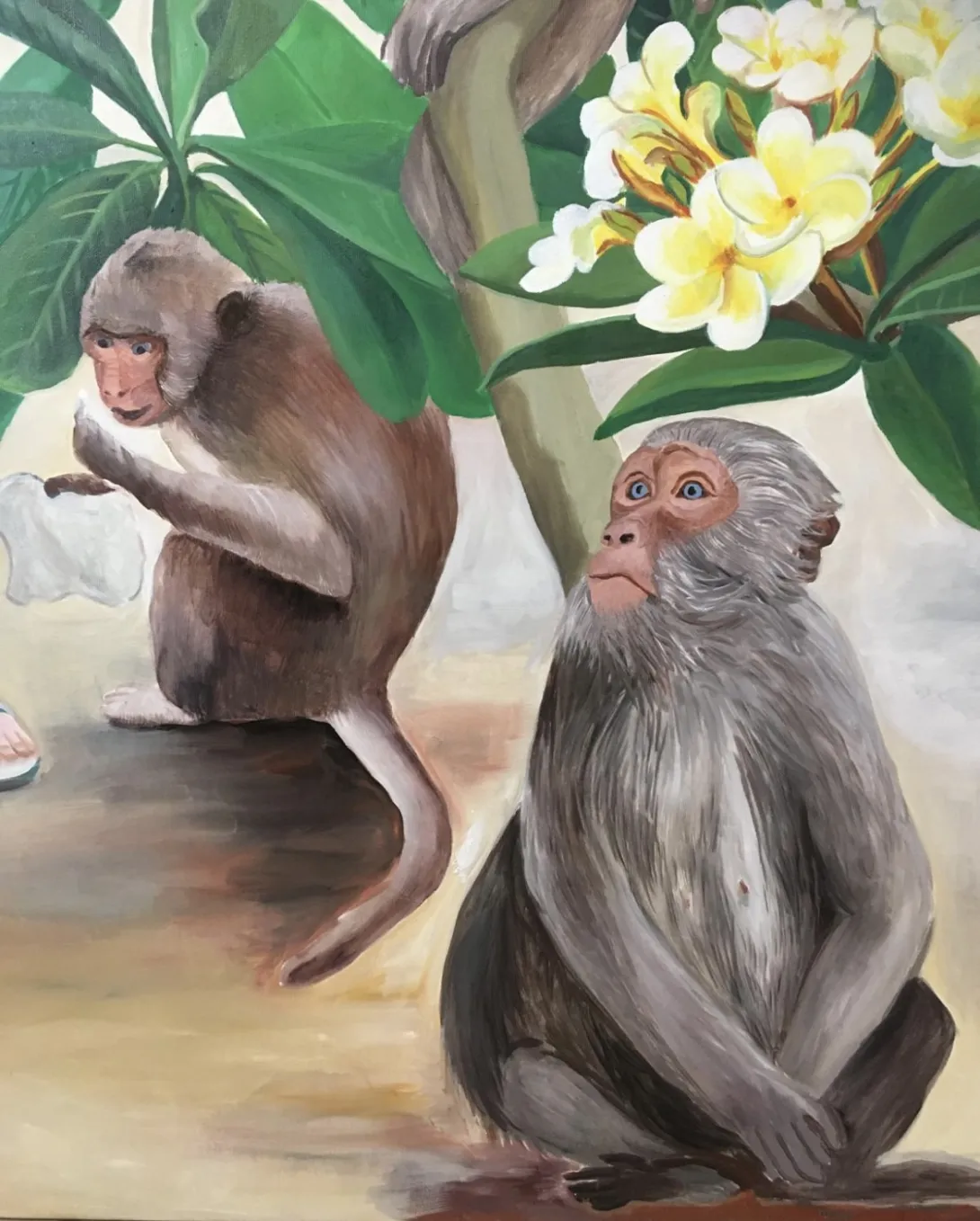
-Environmental problems manifest as: a sudden influx of people into a small area during a specific period. These are often areas that, prior to the emergence of tourism, were ecologically valuable and untouched. This leads to traffic, littering, noise, food preparation and service, laundry, and crowds of people…
-Infrastructure problems at the destination: water supply, wastewater disposal, electrical power, public lighting, parking, etc.
-The offerings of food, beverages, and local tour services are usually already standardized. The same applies to the decor of hospitality establishments (quasi-ethnic, etc.).
-Cultural events are characterized by a neglect of local productions by domestic artists in favor of mass-produced performances.
-There is an overwhelming number of stalls and shops offering similar merchandise, often Chinese products.
-The selection of souvenirs and mementos usually consists of cheap kitsch items. There is a well-developed souvenir industry where the same mass-produced items are labeled with various destination names. The same items, made in the same way from the same material, can be purchased at many destinations.
-etc…
Eugen Borkovsky, V. 2026. Initial text addressed to the authors
GENERAL:
>TOURISM is the thematic framework, the concept for reflection that this project will address. Here are some possible starting points for exploring the theme. Authors are expected to submit works in visual or non-visual materials and media that engage with the theme. Works are subject to selection. An exhibition will be curated from the selected works and presented at the Fonticus City Gallery in Grožnjan in mid-June 2026. We ask authors who decide to participate in the selection process to take into account the gallery’s technical capabilities and the lack of a fund that could assist in the realization of individual works. Professional curatorial commentary, professional and technical installation, a catalog, exhibition security, the opening, and media coverage are provided.
-Funding for the delivery and return of works is not provided.
-Selected works must be prepared for display (hanging system, etc.) but without unnecessary frames, mats, or similar elements that detract from the work’s expressiveness. If any of the works conceptually require specific equipment, this must be agreed upon with the curator and will be communicated in advance.
IMPORTANT:
>Artists wishing to participate are asked to send photographs of their works (JPG format!) to the email address: eugen.borkovsky@gmail.com no later than May 28, 2026, at 8:00 p.m. Please do not send direct links; please compress the files and send them via email, WeTransfer, or similar services. In addition to the photos of the work(s), please BE SURE TO FILL OUT THE FORM for each submitted work!
>Selected works must be delivered to the gallery at least 3 days before the (subsequently) scheduled opening to allow for professional and technical setup. Selected artists will be notified of the delivery date a few days after the submission deadline.
>The project’s initiator and curators hope that the exhibition will be successful, interesting, and constructive!
Project curators: Eugen Borkovsky and Sabina Oroši
Fonticus City Gallery, Grožnjan, email: eugen.borkovsky@gmail.com; tel: 00385 99 2523372
GROŽNJAN City of Artists 1965 2026 GRISIGNANA City of Artists
Galerie